
EMAIL : sales@topaquasystem.com
TEL: +86 20 8174 9697
EMAIL : sales@topaquasystem.com
TEL: +86 20 8174 9697
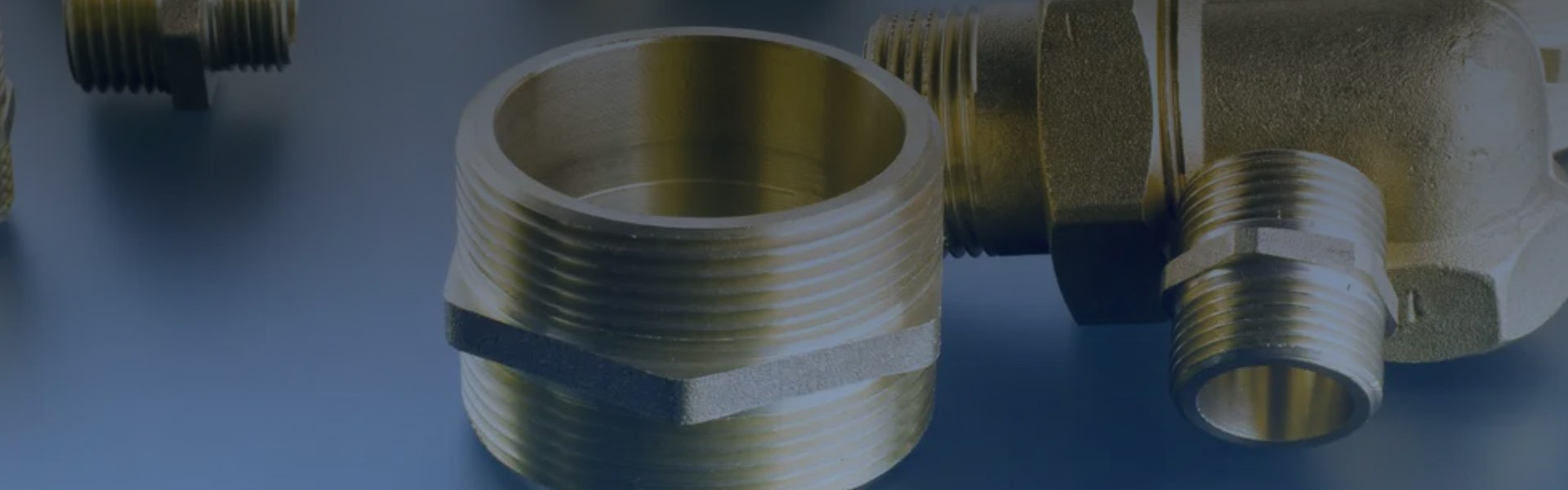
The answer is not universal. Press fittings vs compression fittings serve different needs. Press fittings give you a fast, permanent seal. Compression fittings allow future changes. TOPAQUA supplies high-quality options for both, so you always choose a reliable connection.
Press fittings create permanent, leak-proof connections in seconds, ideal for large projects and concealed spaces.
Compression fittings allow easy adjustments and repairs with just two wrenches, perfect for DIY and temporary fixes.
Choose press fittings for speed and reliability; choose compression fittings for flexibility and low upfront cost.
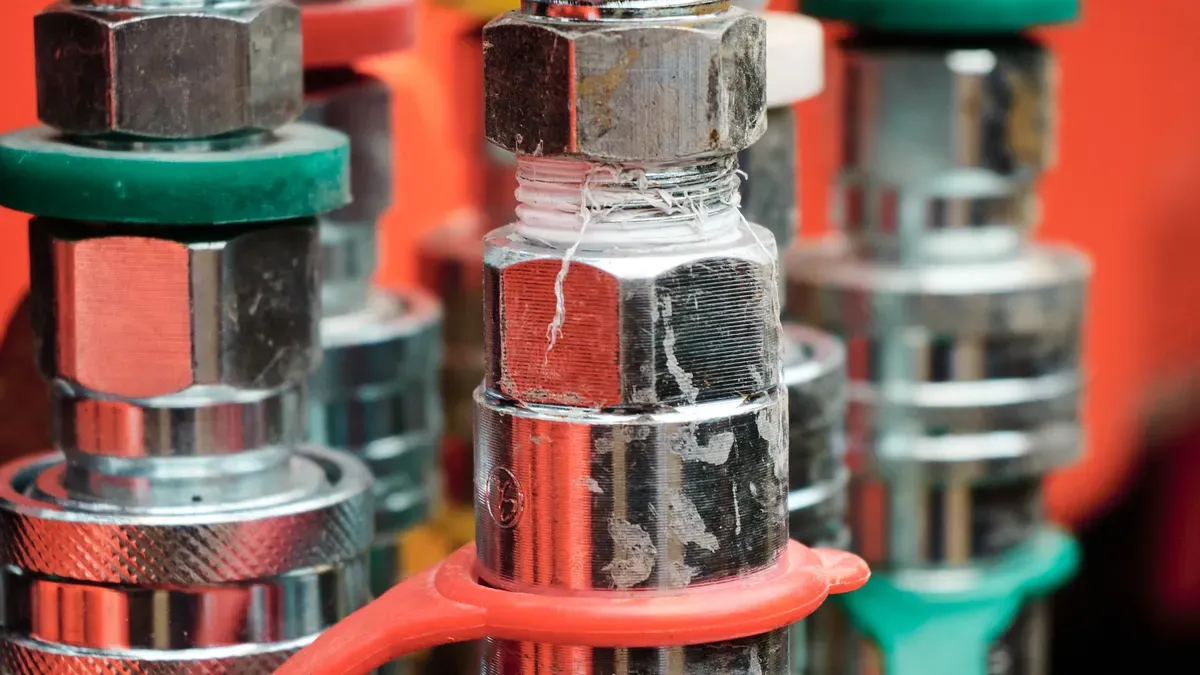
You achieve a leak-proof connection with press fittings by using a specialized tool that applies extreme force. This force permanently deforms both the fitting and the pipe through a process called cold forming or plastic deformation. The tool reshapes the metal into a new hexagonal or polygonal geometry. This creates a mechanical interlock that resists pull-out and twisting forces. The bond is permanent and non-reversible. Unlike welding, this process does not weaken the metal through heat. A high-performance EPDM or FKM O-ring sits in a protected groove inside the fitting. This O-ring acts as the actual sealing element. It is not responsible for structural strength. Instead, the O-ring remains shielded within the mechanically locked joint. The combination of metal deformation for grip and elastomeric compression for sealing produces a reliable seal. The strength of this design is impressive. A standard DN50 (2") stainless steel press fitting can withstand a burst pressure of over 200 Bar (3000 PSI), many times higher than normal operating pressures. Industry certifications like DVGW, WRAS, and ASME verify this performance through tests for pull-out force, burst pressure, and vibration resistance.
You find press fittings used in a wide range of commercial and residential systems. The materials you can join depend on your region and project requirements. TOPAQUA provides press fittings in copper, stainless steel (304/316), carbon steel, and PEX/multilayer composite pipes. Copper dominates North America for plumbing applications. Stainless steel is increasingly adopted for institutional and industrial uses, especially in high-rise commercial plumbing risers in Asia-Pacific. Carbon steel press fittings are common in Europe, while PEX press systems are standardized there as well. For projects requiring corrosion resistance and high-pressure tolerance, stainless steel press fittings from TOPAQUA deliver durable performance. Whether you work on a new construction build or a retrofit, press fittings save time and reduce labor costs.
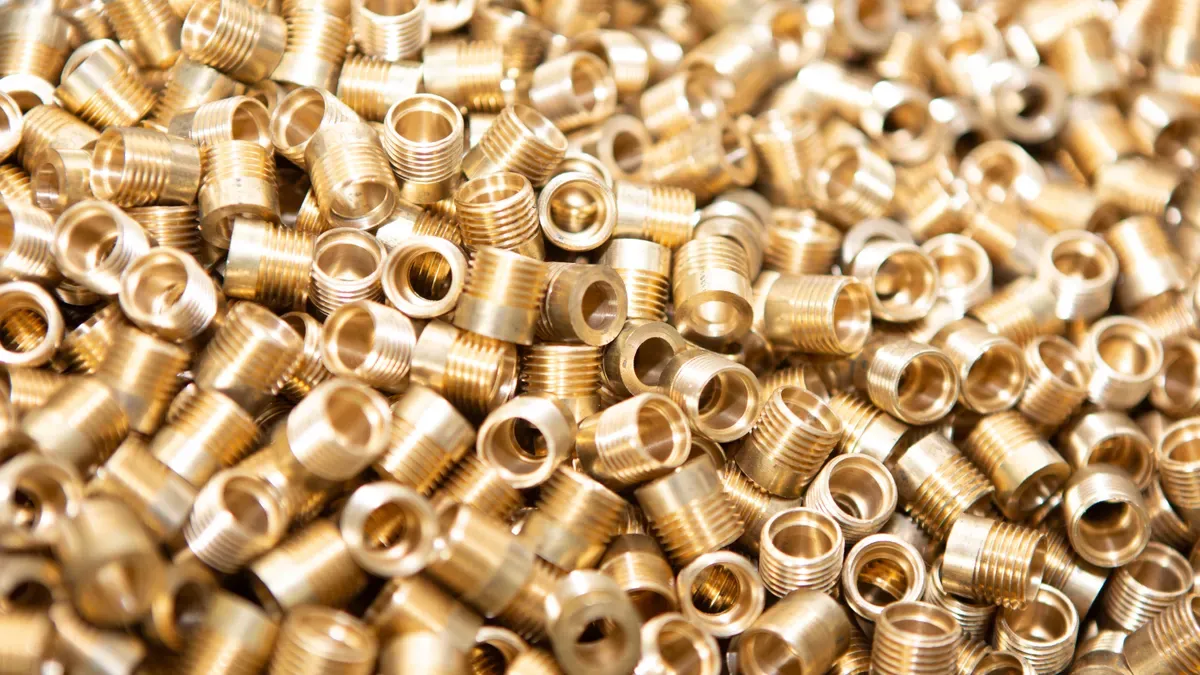
You assemble a compression fitting from three core components: a compression nut, a compression ring (ferrule), and the fitting body. To make a connection, you slide the nut and ferrule onto the pipe, insert the pipe into the fitting body, and tighten the nut. This action compresses the ferrule between the nut and the body. The ferrule grips the pipe and creates a seal. The design relies on mechanical compression rather than cold forming.
Manufacturers typically do not specify exact torque values for compression fittings. Instead, they specify the number of nut rotations or a gap gauge measurement. Torque can vary significantly due to material hardness, lubrication, and galling. You achieve consistent sealing by following rotational or gap specifications. Larger pipe diameters require more turns for proper compression. Softer pipe materials need less tightening force to avoid damage. This method gives you control over the connection and allows future disassembly.
You find compression fittings in plumbing, gas distribution, instrumentation, and hydraulic systems. They work well with copper, brass, stainless steel, and plastic tubing. TOPAQUA offers compression fittings in multiple materials to match your project requirements. These fittings suit situations where you need future access or adjustments. They also excel in repair work and retrofits where you cannot use heat or special tools. Whether you connect a water line under a sink or install a gas appliance, compression fittings provide a practical and reliable connection method.
You will notice the biggest difference between these two methods the moment you pick up your tools. Press fittings win on speed by a wide margin. A single press takes only 5 to 10 seconds to complete. You insert the pipe, attach the jaw, and pull the trigger. The tool does the rest. A typical 2-inch connection takes under 30 seconds from start to finish. This speed adds up fast on large projects. A crew installing hundreds of joints per day saves hours of labor compared to any other method.
Compression fittings demand more time and attention. You must slide the nut and ferrule onto the pipe, insert the pipe into the body, and tighten the nut by hand. Then you finish with a wrench. Each connection takes one to three minutes depending on pipe size. You also need to hold the fitting body steady while you turn the nut. This two-wrench technique prevents the fitting from twisting. In tight spaces, this task becomes awkward and slow.
The speed advantage of press fittings shines in repetitive work. High-rise buildings, hospitals, and data centers rely on press systems for this reason. TOPAQUA press fittings streamline your workflow and cut project timelines significantly.
The tool requirements for each method differ dramatically. Press fittings require a dedicated pressing tool. This tool costs between $1,500 and $4,000 depending on brand and jaw sizes. You also need the correct jaw set for each pipe size and material. These tools are heavy and require calibration checks. However, the tool does most of the work. Once you learn the basic operation, you can make consistent connections with minimal training. The tool removes human error from the equation. A proper press either works or it does not. The tool signals completion with an audible click or a visual indicator.
Compression fittings need only two wrenches. This low barrier to entry makes them popular among DIYers and maintenance technicians. You can buy a basic wrench set for under $50. The challenge lies in technique. You must tighten the nut enough to compress the ferrule without overtightening. Too little torque causes leaks. Too much torque cracks the ferrule or strips the threads. You develop this feel through practice. Different pipe materials also require different approaches. Soft copper needs a gentle touch. Stainless steel demands more force.
TOPAQUA offers both press tools and compression fittings to match your skill level and project needs. For professionals who make hundreds of connections, the press tool investment pays for itself quickly.
Both methods produce reliable connections when you install them correctly. The failure modes differ, though. Press fittings create a permanent mechanical bond. The O-ring sits in a protected groove and cannot shift after installation. This design resists vibration, thermal cycling, and pressure surges. Independent testing shows press fittings hold burst pressures exceeding 200 Bar. The joint will not loosen over time. You cannot accidentally overtighten or undertighten a press fitting. The tool applies consistent force every time.
Compression fittings rely on the ferrule's grip and the nut's tension. These connections can loosen under vibration. Thermal expansion and contraction also affect the seal over time. You may need to re-tighten compression fittings after several heating and cooling cycles. This maintenance requirement makes them less ideal for concealed or hard-to-reach locations.
Safety codes reflect these differences. For underground gas piping, most codes prohibit compression fittings entirely.
Most codes, including NFPA 54, explicitly prohibit mechanical fittings (including compression fittings) in underground gas piping where they cannot be inspected, accessed, or repaired. Underground gas leaks are among the most dangerous and hardest to detect. Natural gas can filter through soil, follow storm drains or water lines, and emerge significant distances from the actual leak site.
The code goes further for concealed spaces.
NFPA 54 Section 7.3.2 restricts concealed fittings to threaded, brazed, welded, or listed press-connect (ANSI LC 4) and CSST (ANSI LC 1) connections—excluding standard compression fittings. Any concealed compression fitting on a gas line is a code violation and a serious safety hazard.
Press fittings meet the ANSI LC 4 standard and earn approval for concealed installations.
Section 404.5 indicates that fittings listed to ANSI LC-4/CSA 6.32 standard may also be installed in concealed locations.
This regulatory distinction matters when you plan gas or fuel systems. TOPAQUA press fittings meet these strict standards and give you peace of mind in safety-critical applications.
You face a trade-off between initial investment and ongoing savings. Press fittings carry a higher upfront cost. The tool itself represents the largest expense. Fittings also cost more per unit than compression equivalents. A 1/2-inch press fitting might cost $3 to $5, while a compression fitting costs $1 to $2. For a small repair job, this difference feels significant.
The long-term picture changes with project size. Labor costs dominate any plumbing or HVAC budget. Press fittings reduce labor time by 50% to 75% compared to compression methods. On a commercial project with 500 connections, this savings can reach thousands of dollars. You also avoid callbacks for leaks and re-tightening. Compression fittings may require follow-up visits after system startup. These service calls erode any upfront savings.
For one-time DIY repairs, compression fittings offer clear cost advantages. You avoid the tool purchase entirely. For professional contractors and large installations, press fittings deliver better total value. TOPAQUA provides competitive pricing on both product lines, so you get quality without overpaying.
Your project type determines the better choice. Press fittings excel in new construction, commercial buildings, and industrial facilities. They handle large-diameter pipes efficiently. They work in tight spaces where you cannot swing a wrench. They meet code requirements for concealed and underground installations. High-rise plumbing risers, hospital gas systems, and data center cooling loops all benefit from press technology.
Compression fittings suit repair work, retrofits, and temporary installations. You can disconnect and reassemble them without special tools. This flexibility helps when you troubleshoot a system or make adjustments. Homeowners and DIYers appreciate the low tool cost and simple operation. Instrumentation and hydraulic systems often use compression fittings for their precision and adjustability.
The decision between press fittings vs compression fittings ultimately depends on your specific priorities. Consider the project scope, your skill level, and the need for future access. For permanent, high-reliability installations, press fittings deliver superior performance. For flexible, low-investment solutions, compression fittings remain a solid choice. TOPAQUA supports both paths with dependable products that meet international standards.
You can see the core differences between these two connection methods in the table below. This summary helps you compare press fittings vs compression fittings across the factors that matter most.
|
Factor |
Press Fittings |
Compression Fittings |
|---|---|---|
|
Installation Speed |
5–30 seconds per joint |
1–3 minutes per joint |
|
Required Tools |
Dedicated press tool ($1,500–$4,000) |
Two wrenches (under $50) |
|
Skill Level |
Minimal training needed |
Moderate technique required |
|
Seal Type |
Permanent O-ring seal |
Ferrule compression seal |
|
Leak Resistance |
Excellent; resists vibration |
Good; may loosen over time |
|
Reversibility |
Permanent; cannot disconnect |
Reversible; can adjust or remove |
|
Upfront Cost |
Higher per fitting and tool |
Lower per fitting and tool |
|
Long-Term Cost |
Lower labor and callback costs |
Higher maintenance potential |
|
Best For |
New construction, commercial, industrial |
Repairs, retrofits, DIY, temporary setups |
|
Code Approval |
Approved for concealed and underground use |
Restricted in concealed gas lines |
The table shows a clear pattern. Press fittings favor speed, permanence, and code compliance. Compression fittings favor flexibility, low tool investment, and easy adjustment. TOPAQUA manufactures both product lines to international standards, so you receive dependable quality whichever method you select.
Large commercial projects with hundreds of connections favor press fittings. The speed advantage compounds across every joint you install. A high-rise building or hospital wing demands this efficiency. Small repair jobs or single-fixture replacements suit compression fittings better. You avoid the tool investment for a one-time task. Consider your total connection count before you decide.
Your experience level shapes this decision. Press fittings require minimal training. The tool applies consistent force every time. You cannot overtighten or undertighten the joint. Compression fittings demand technique. You must develop a feel for proper nut tension. Too loose causes leaks. Too tight damages the ferrule. DIYers often prefer compression fittings for their low barrier to entry. Professional contractors benefit from press tool efficiency on repeated jobs.
Your budget splits into two categories: upfront costs and long-term expenses. Press fittings carry higher initial prices. The tool alone costs $1,500 to $4,000. Compression fittings need only two wrenches. For a tight budget, compression wins on day one. For large projects, press fittings reduce labor costs by 50% to 75%. This savings quickly outweighs the tool investment. Evaluate your total project cost, not just the fitting price.
Your plans for future access matter. Compression fittings allow disassembly and adjustment. You can disconnect them without special tools. This flexibility helps during system troubleshooting or upgrades. Press fittings create permanent connections. You cannot reverse the joint once you press it. Choose press fittings for permanent installations. Choose compression fittings when you anticipate changes or repairs. The comparison of press fittings vs compression fittings ultimately depends on your specific needs.
Press fittings deliver the speed and permanence you need for large-scale, concealed installations. Compression fittings offer the flexibility and low tool cost you want for DIY repairs or temporary setups. When you evaluate press fittings vs compression fittings, your priority dictates the best choice. TOPAQUA supplies industry-leading products for both methods, so you receive dependable performance either way.
You can connect them on the same system with adapters. TOPAQUA offers transition fittings that join press and compression connections. This approach works well when you need press speed for main lines and compression flexibility for final connections.
Press fittings typically last longer. The permanent mechanical bond resists vibration and thermal cycling. Compression fittings may need re-tightening over time. Both TOPAQUA product lines meet international durability standards for their intended applications.
No. You need matching materials for proper connections. TOPAQUA press fittings work with copper, stainless steel, carbon steel, and PEX. Always verify compatibility between your fitting, pipe, and pressing tool before installation.


Follow Us
Copyright © 2026 TOP AQUA FLOW CONTROL CO., LTD All Rights Reserved.
 Network Supported
Blog Sitemap Xml Privacy Policy
Leave A Message
Scan to Wechat :


 EN
EN ES
ES