
EMAIL : sales@topaquasystem.com
TEL: +86 20 8174 9697
EMAIL : sales@topaquasystem.com
TEL: +86 20 8174 9697
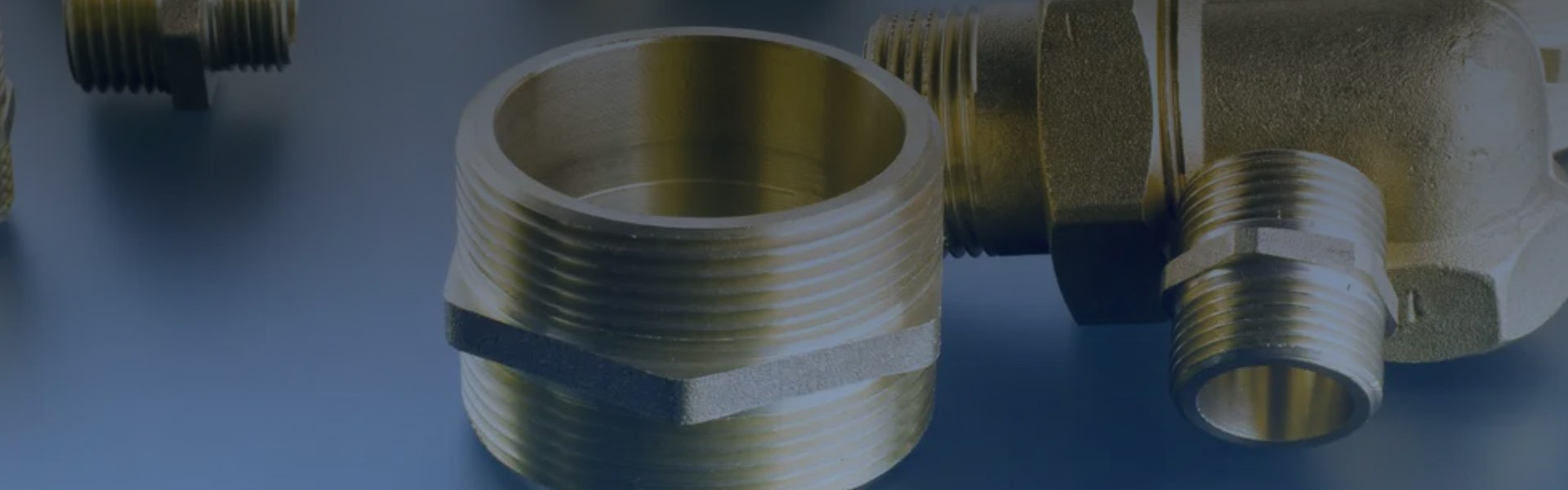
The reliability of your multilayer pipe manufacturer directly determines your project's safety, compliance, and liability. Pipe failures originating from inferior quality materials cause costly delays, safety hazards, and legal disputes. Substandard layer bonding or incorrect diameter selection can lead to leaks that damage building structures and require expensive remediation. Additionally, non-compliance with building codes from uncertified products increases your legal exposure. Choosing a manufacturer with robust quality control and certified products eliminates these risks. Prioritize long-term performance, durability, and manufacturer support to reduce total cost of ownership and safeguard your reputation. This article provides a practical framework for selecting a trustworthy supplier that meets your project requirements.
Multilayer pipes combine metal strength with plastic corrosion resistance, making certified production control essential.
Verifying independent certifications (such as ISO 9001, NSF/ANSI 61, and ASTM standards) protects against inspection failures and legal liability.
Comprehensive technical support, custom fabrication options, and dedicated claims processes distinguish reliable suppliers from low-cost alternatives.
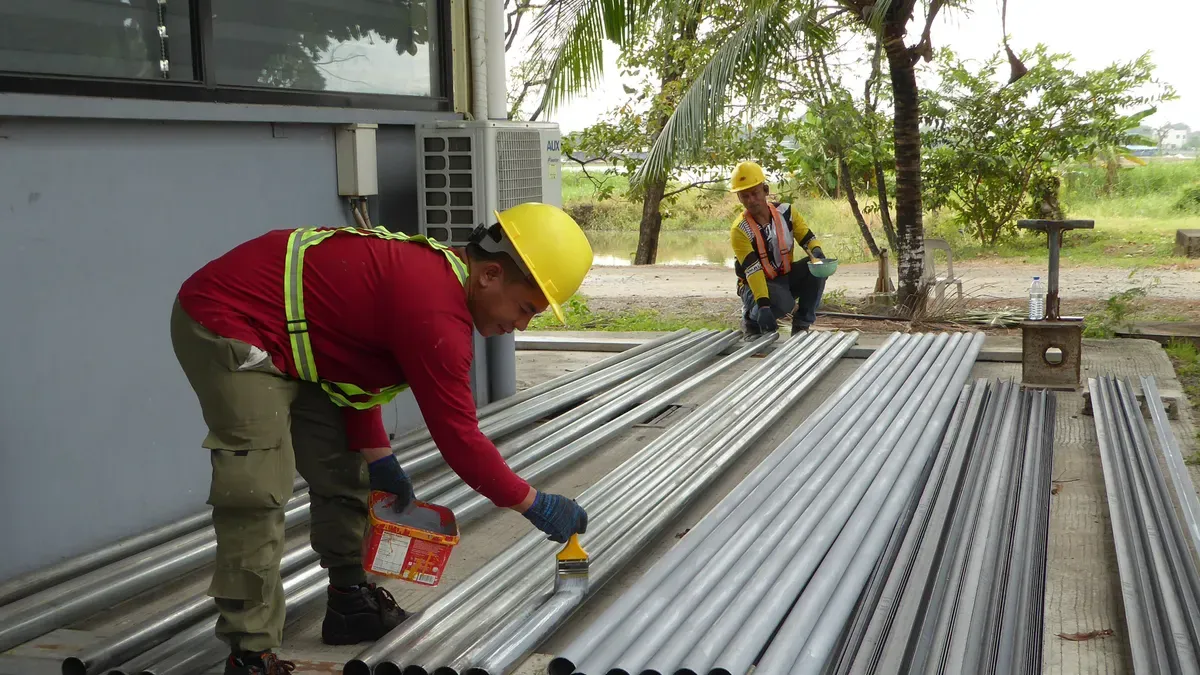
Multilayer pipes combine the strengths of metal and plastic into a single product. The inner plastic layer keeps water hygienic and prevents corrosion. The metal core provides structural strength and resists pressure and heat. The outer plastic layer protects the pipe from environmental damage. This hybrid design delivers durability, safety, and thermal resistance that neither material achieves alone. A reputable multilayer pipe manufacturer controls every layer during production to ensure consistent performance.
Corrosion resistance sets multilayer pipes apart from plain metal alternatives. The plastic layers shield the metal core from water contact, so rust and scale never form inside the pipe. Manufacturers offer standard variants for indoor use and sunproof variants for outdoor exposure. Sunproof pipes contain additives that block ultraviolet radiation and prevent the outer layer from cracking. You should match the variant to the installation environment. An outdoor riser needs a sunproof pipe, while an indoor supply line works well with a standard model.
Pipe diameter directly affects system reliability and efficiency. An undersized pipe raises water velocity and creates noise, pressure loss, and erosion. An oversized pipe wastes material and slows water delivery. You should calculate the correct diameter from the flow rate, pressure requirements, and run length of your system. The manufacturer's technical data sheets provide flow capacity charts for each size. Selecting the right diameter ensures a reliable, efficient, and long-lasting system.
|
Pipe Layer |
Primary Function & Performance Benefit |
|---|---|
|
Inner Plastic Layer |
Hygienic water contact, smooth flow, and complete corrosion/scale immunity |
|
Aluminum Core |
Structural strength, shape retention, oxygen barrier, and high pressure/temperature resistance |
|
Adhesive Bonding Layers |
Integrates metal and polymer layers; prevents delamination under thermal expansion |
|
Outer Plastic Layer |
Mechanical impact protection and UV resistance (with sunproof additives) |
Every multilayer pipe carries a pressure and temperature rating. These ratings define the safe operating limits for the pipe over its service life. Manufacturers test pipes at specific pressure and temperature combinations and publish the results in their catalogs. You must verify that the rating exceeds your system's maximum operating conditions. A pipe rated for domestic hot water may fail in a heating system that runs at higher temperatures. The pressure rating also drops as temperature rises, so you should check the derating curve for your application.
Ignoring these ratings is one of the most common and costly mistakes. A pipe installed beyond its rated limits may burst, leak, or deform over time. Another frequent error involves using incompatible fittings. Multilayer pipes require fittings designed for their exact dimensions and material composition. Mixing brands or using metal fittings without the correct insert sleeves leads to joint failure. You should always source fittings from the same manufacturer and follow the published assembly instructions.
Layer bonding determines whether a multilayer pipe holds together under stress. The adhesive between the metal core and plastic layers must resist heat, pressure cycling, and chemical exposure. Weak bonding causes delamination, where the layers separate and the pipe loses structural integrity. You can assess bonding quality by reviewing the manufacturer's testing data. Reputable producers perform peel strength tests and thermal cycling tests on every production batch.
The materials themselves also matter. The inner layer should use a grade of polyethylene suitable for potable water. The metal core typically consists of aluminum, which provides strength and keeps the pipe shape during bending. The outer layer must resist UV damage and mechanical impact. You should request material certificates from the supplier to confirm the exact grades used. These certificates connect directly to the certifications discussed in the next section.
A reputable multilayer pipe manufacturer holds certifications that prove product quality and safety. You should look for ISO 9001 for quality management systems. NSF/ANSI 61 confirms the pipe is safe for potable water contact. ASTM F1281 and ASTM F1282 cover multilayer pipe performance standards for hot and cold water systems. These certifications show the manufacturer follows recognized production and testing protocols.
Verifying authenticity requires more than reading a logo on a brochure. You should request the certificate number and check it directly on the issuing organization's website. Contact the certification body to confirm the document is current and covers the specific product you plan to order. Expired or altered certificates are a serious red flag. A supplier who hesitates to provide verification details may not meet your project's requirements.
|
Standard / Certification |
Scope & Purpose |
Verification Check |
|---|---|---|
|
ISO 9001 |
Quality management systems and batch consistency |
Verify registration validity on registrar portal |
|
NSF/ANSI 61 |
Health effects and chemical safety for potable water |
Confirm listing in official NSF public database |
|
ASTM F1281 / F1282 |
Multilayer pressure pipe performance for hot & cold water |
Inspect third-party laboratory testing reports |
Local and international building codes often mandate certified materials for plumbing and heating systems. Your project's inspector will check that the installed pipe carries the required marks. Non-compliant products can fail inspection, forcing you to remove and replace the entire installation. This delay increases labor costs and disrupts your project timeline.
Liability also falls on you as the specifier or builder. If a pipe failure causes water damage or injury, courts will examine whether you selected a certified product. Choosing a supplier with valid certifications protects you legally. It also demonstrates due diligence to clients and insurers. You should keep copies of all certificates on file for the project duration. This documentation supports warranty claims and defends against negligence allegations.
Choosing a reliable multilayer pipe manufacturer means evaluating the support infrastructure behind the product. Detailed installation guidelines and responsive technical assistance prevent errors that lead to leaks or system failures. Customization options further reduce waste and installation time. A manufacturer that provides both services delivers greater value than one that sells pipes alone.
A reputable manufacturer provides installation guidelines that cover every step of the process. You receive instructions for cutting the pipe cleanly and beveling the end to remove burrs. The guidelines specify the exact insertion depth for each fitting size and outline the pressing procedure with compatible tools. Following these specifications eliminates the most common installation mistakes. Without proper beveling, the O-ring inside the fitting can tear during assembly. Without correct insertion depth, the joint may not seal completely.
Technical support extends beyond the printed manual. You can call a design engineer to review your system layout before installation begins. That engineer might flag an undersized pipe run or a fitting configuration that creates unnecessary stress points. This design assistance catches errors before pipes enter the wall. It also reduces the learning curve for crews unfamiliar with multilayer systems. A manufacturer that answers technical questions within hours, not days, keeps your project on schedule.
Standard pipe lengths and fittings work for most residential projects, but commercial buildings often require custom solutions. A flexible multilayer pipe manufacturer offers custom lengths that match your exact riser heights or floor-to-floor distances. You avoid cutting every piece on site and eliminate scrap material. Some manufacturers also produce custom fittings for non-standard connection patterns. For example, a custom branch fitting with unique port spacing can simplify a complex manifold layout.
Customization also applies to packaging and labeling. You can request coiled lengths in specific diameters for a multi-unit development, with labels that identify each apartment zone. This organization reduces confusion during installation and speeds up inspection. A manufacturer that accommodates these requests demonstrates a commitment to your project’s success. Evaluate their customization capabilities before placing your order. The added upfront coordination saves significant time on site.
You need to compare suppliers across four dimensions before placing an order: quality, variety, price, and dependability. Quality takes priority. Review the manufacturer's test data, material certificates, and production consistency. Variety matters because a single project often requires multiple pipe sizes and fitting configurations. A supplier with limited stock forces you to mix brands, creating compatibility risks. Price remains important, but you should never let it override quality. A lower upfront cost frequently leads to higher long-term expenses from failures and replacements. Dependability ties everything together. A supplier that delivers on time, responds to inquiries promptly, and honors commitments proves its reliability before you install a single pipe.
Warranty terms reveal how much a manufacturer trusts its own product. A strong warranty covers material defects and manufacturing flaws for ten years or more. It also includes coverage for the fittings and tools required for installation. You should read the warranty document carefully before signing. Look for exclusions that shift liability back to you, such as damage from improper installation or use of non-approved tools. Some manufacturers require you to register the product within a specific period after purchase. Missing this deadline voids the warranty entirely.
The claims process acts as an even stronger indicator of reliability. A reputable multilayer pipe manufacturer maintains a clear, documented procedure for submitting a claim. You must provide proof of purchase, installation records, and photos of the failure. The manufacturer should respond within a defined timeframe and send a representative to inspect the site if needed. A company that drags out the process or denies claims without investigation lacks the integrity you need for a long-term partnership. Ask for examples of resolved claims during your vetting process. How the manufacturer handles problems after the sale tells you more than any brochure.
Past project performance provides the most reliable predictor of future results. You should ask the manufacturer for a list of completed projects that match the scale and complexity of your own. Contact the general contractors or engineers who worked on those projects. Ask about delivery timeliness, product consistency, and the manufacturer's responsiveness during installation. Did the pipes perform as expected over the first few years? Did the manufacturer support the project when unexpected issues arose?
A manufacturer with a long track record in commercial buildings offers specific advantages. In these environments, plastic-based systems like multilayer pipes install faster than traditional metal. The lighter weight reduces labor fatigue and speeds up handling. The press-fit connections eliminate the need for threading or welding, which cuts installation time considerably. The corrosion resistance of multilayer pipes also extends service life compared to metal systems that rust from the inside. A metal pipe in a commercial hot water system may develop internal scale that restricts flow within a decade. A multilayer pipe manufacturer that uses an aluminum core and plastic inner layer resists this degradation for the building's lifetime.
You should also check independent reviews and industry forums. Other contractors often share honest feedback about manufacturers they have used. Look for patterns in the feedback rather than isolated complaints. A single negative review should not disqualify a manufacturer, but repeated issues with joint failures or poor support indicate systemic problems. Your goal is to identify a supplier that delivers consistent quality across many projects and stands behind its products when challenges arise.
Use this reference table to evaluate prospective multilayer pipe suppliers before requesting formal quotes or entering procurement agreements.
|
Evaluation Pillar |
Standard / Minimum Expectation |
Recommended Supplier Capability |
|---|---|---|
|
Quality Verification |
Self-declared technical catalog sheets |
Batch-level peel test data, thermal cycling reports, and material origin sheets |
|
Accreditation |
Local baseline plumbing approval |
Independent ISO 9001, NSF/ANSI 61, and ASTM F1281/F1282 verifications |
|
Engineering Support |
Standard printed installation manual |
Pre-installation drawing review, tooling compatibility guides, and fast engineering support |
|
Customization |
Off-the-shelf standard coil lengths |
Custom cut lengths, specialized manifold fittings, and zone-specific labeling |
|
Warranty & Service |
1- to 2-year limited parts replacement |
10+ year system warranty with clear claims procedures and field inspection support |
You now hold a practical framework for vetting any multilayer pipe manufacturer. Quality, certifications, technical support, and after-sales service form the core of your evaluation. A thorough selection process protects your project timelines, budgets, and professional reputation. Skipping these steps exposes you to failures, code violations, and costly claims.
Always prioritize long-term reliability over short-term savings. A cheaper pipe that fails in five years costs far more than a certified product that lasts decades. Research each supplier carefully, verify every certificate, and check references before you commit. Your diligence today prevents expensive problems tomorrow.
Request the certificate number and check it on the issuing organization's website. Contact the certification body directly to confirm the document is current and covers your specific product. A supplier who hesitates to provide verification details may not meet your project's requirements.
The pipe may burst, leak, or deform over time. Pressure ratings drop as temperature rises, so always check the derating curve for your application. Exceeding rated limits voids most warranties and creates serious safety hazards.
Not necessarily. Read the warranty document carefully for exclusions that shift liability back to you. Look for coverage of material defects, fittings, and tools. A clear claims process with defined response times matters more than the warranty length alone.
No. Multilayer pipes require fittings designed for their exact dimensions and material composition. Mixing brands or using metal fittings without correct insert sleeves leads to joint failure. Always source fittings from the same manufacturer and follow published assembly instructions.
You should receive detailed installation guidelines covering cutting, beveling, insertion depth, and pressing procedures. Technical support should include access to design engineers who can review your system layout. Responsive support within hours, not days, keeps your project on schedule.


Follow Us
Copyright © 2026 TOP AQUA FLOW CONTROL CO., LTD All Rights Reserved.
 Network Supported
Blog Sitemap Xml Privacy Policy
Leave A Message
Scan to Wechat :


 EN
EN ES
ES