
EMAIL : sales@topaquasystem.com
TEL: +86 20 8174 9697
EMAIL : sales@topaquasystem.com
TEL: +86 20 8174 9697
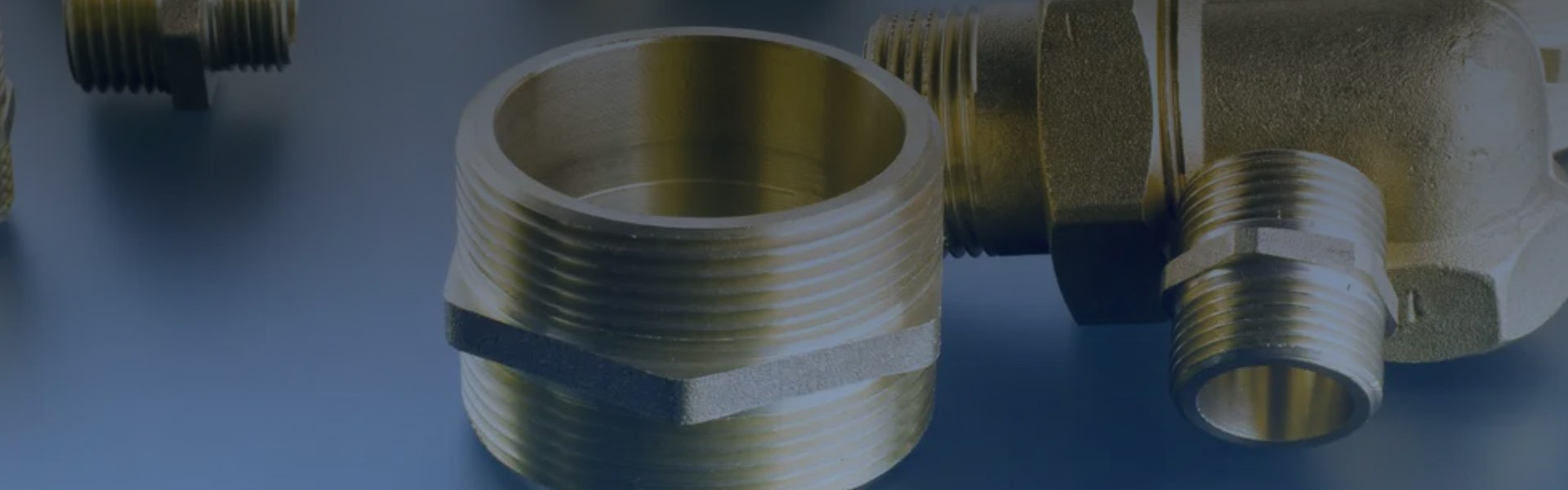
A press fitting system joins pipes without heat. A tool crimps a metal fitting onto tubing in seconds. This method removes fire risk and cuts installation time by 50%–90% compared to soldering or welding. Homeowners and contractors gain safer, faster, and more reliable connections.
Press fittings join pipes without heat, cutting installation time by 50% to 90% and removing fire risks.
Proper pipe preparation, correct tool selection, and careful inspection ensure leak-free connections.
Copper fittings suit residential projects, while stainless steel handles heavy commercial and industrial demands.
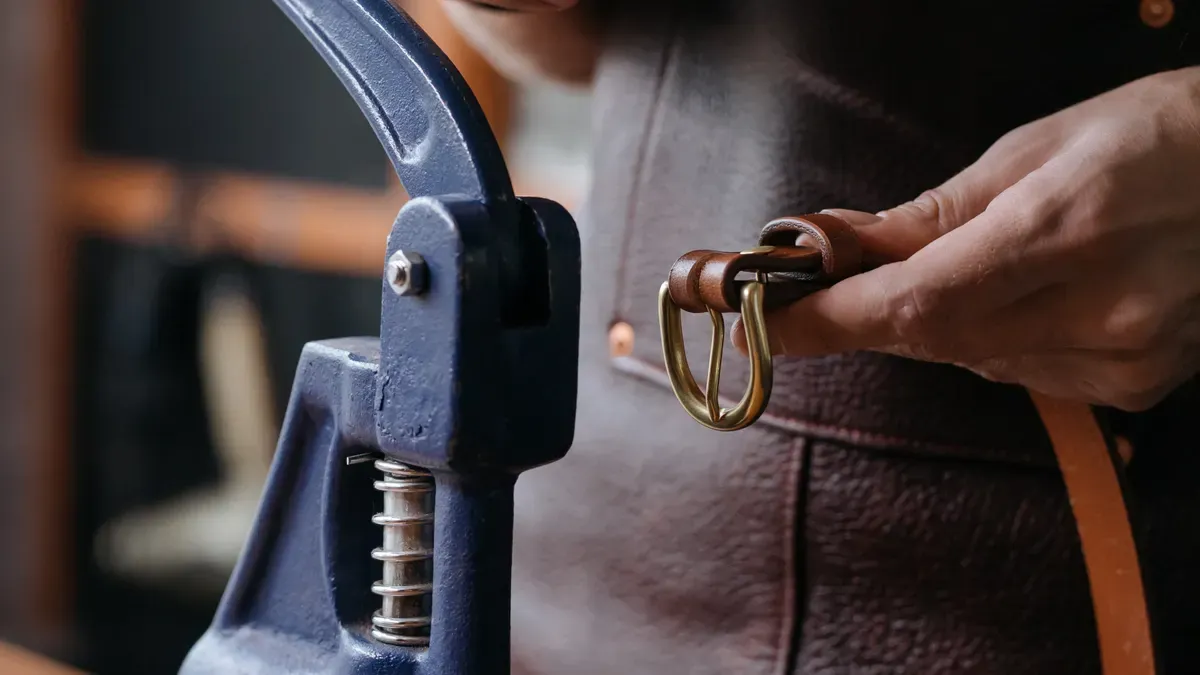
A press fitting system joins pipes through mechanical deformation rather than heat or threaded connections. The process relies on two distinct mechanisms working together: a rubber O-ring that creates a watertight seal and a press tool that permanently locks the fitting onto the tubing. Understanding both mechanisms helps installers appreciate why these connections perform reliably for decades.
The O-ring serves as the primary sealing element in every press connection. This rubber ring sits inside a groove within the fitting body. When an installer inserts the pipe, the O-ring compresses against the tube surface. The elastomer material fills microscopic gaps between the fitting and pipe wall. Water or gas cannot escape past this compressed ring.
Manufacturers produce O-rings from different elastomers to match specific applications. EPDM rubber handles potable water and heating systems. Nitrile rubber works well with gas lines and fuel applications. The choice of material affects temperature resistance and chemical compatibility.
Importantly, the press fitting system does not reduce the wall thickness of the tubing. This distinguishes press fittings from threading, which cuts into the pipe wall and weakens the connection point. A threaded pipe loses material at the exact location where stress concentrates. Press fittings preserve the full wall thickness along the entire pipe length. The tubing retains its original pressure rating and structural integrity.
The press tool delivers the mechanical force that creates a permanent joint. An installer selects a jaw or ring sized to match the fitting diameter. The jaw slides over the fitting and engages the contour. When the operator activates the tool, hydraulic or battery-powered mechanisms drive the jaw segments inward.
The jaw compresses the fitting body against the pipe. Metal flows into a circumferential groove, creating a mechanical interlock. This deformation is permanent. The connection cannot loosen from vibration or thermal cycling. The press action also compresses the O-ring further, ensuring the seal remains tight.
Different tool brands use proprietary jaw profiles. A jaw from one manufacturer will not properly crimp another brand's fittings. Installers must match tools to fittings from the same system. Most tools feature automatic shutoff when the press cycle completes. This prevents under-crimping or over-crimping.
The entire press cycle takes only seconds. The operator hears a audible click or feels the tool release when the joint is complete. No open flame, no hot work permit, and no waiting for solder to cool. The connection is immediately ready for pressure testing.
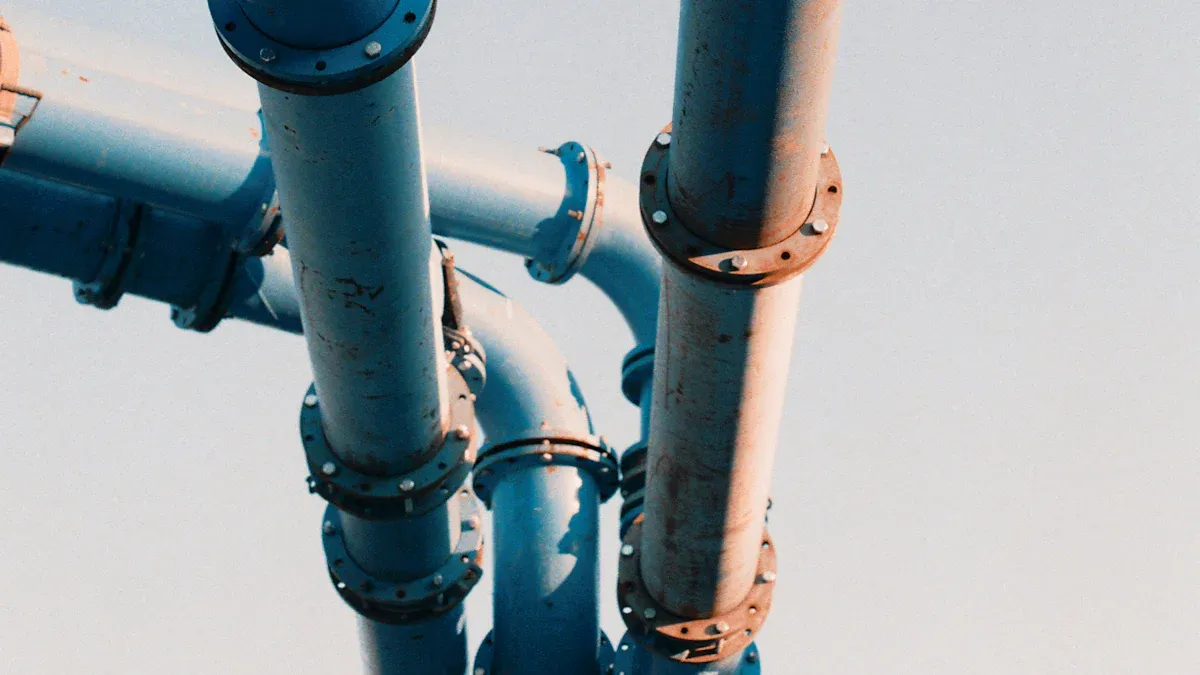
Manufacturers produce press fittings in several metals. Each metal suits different building types and water conditions. Copper and stainless steel dominate the market. Both materials meet strict plumbing codes and carry decades of proven field performance.
Copper press fittings serve homes, apartments, and small office buildings. The metal resists corrosion in most potable water supplies. It also handles hot water lines and heating loops without difficulty. Builders choose copper for its familiar behavior and wide availability.
Copper fittings work with hard and soft copper tubing. Installers must match the fitting size to the tube diameter. The O-ring inside copper fittings typically uses EPDM rubber for water applications. Copper systems meet ASTM B88 for tubing and ASME B16.51 for fittings. These standards govern wall thickness, dimensions, and pressure ratings. A copper press joint holds the same pressure rating as the tubing itself. This makes copper a reliable choice for residential supply lines up to the building's main shutoff valve.
Stainless steel press fittings handle demanding environments. Hospitals, food plants, and high-rise buildings rely on them. The material resists aggressive water chemistry and higher operating temperatures. Stainless steel also survives vibration and mechanical stress better than softer metals.
These systems use 304 or 316 stainless steel. Grade 316 offers superior corrosion resistance for coastal or chemical-heavy sites. The fittings meet ASTM A312 for seamless tubing and ASME B16.51 for dimensions. Stainless steel press systems often carry higher pressure ratings than copper equivalents. Installers use them for chilled water, steam condensate, and compressed air lines. The rigid construction suits large-diameter pipes in commercial mechanical rooms. Both copper and stainless steel systems require manufacturer-approved tools and jaws. Mixing brands voids the warranty and risks joint failure.
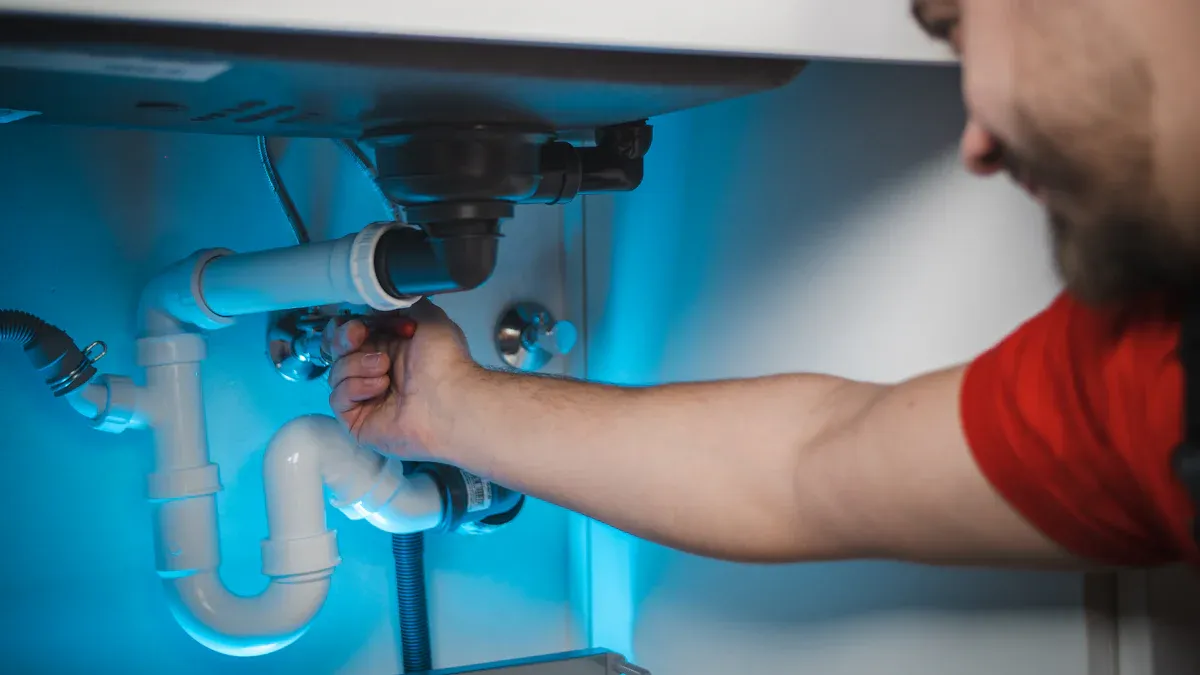
Installation follows a clear sequence. Each step builds on the previous one. A press fitting system can complete connections three times faster than traditional methods when crews follow the proper procedure. Speed means nothing without accuracy, so installers must treat every step with equal care.
Proper preparation starts with cutting the pipe square. A rotary cutter or chop saw produces a clean edge. An uneven cut prevents the fitting from seating fully. The O-ring cannot seal against a jagged or angled tube end.
Deburring comes next. A deburring tool or half-round file removes sharp edges from both the inside and outside of the pipe. Burrs scratch the O-ring during insertion. A scratched ring leaks. Deburring also clears metal shavings that could block valves or damage pumps downstream. This step takes seconds but prevents costly failures.
Marking the insertion depth is critical. Manufacturers stamp a depth mark on the fitting or provide a gauge. The installer slides the pipe into the fitting until it reaches this mark. Under-insertion leaves too little pipe for the press jaw to grip. Over-insertion pushes the pipe past the O-ring seat. Both errors cause leaks. A permanent marker line on the pipe gives the installer a visual reference during insertion.
The installer then pushes the pipe straight into the fitting. A slight twist helps the tube pass the O-ring. The pipe must bottom out against the fitting shoulder. Any gap between the pipe end and the shoulder signals a problem.
Jaw selection matches the fitting size and brand. The installer opens the jaw, places it squarely over the fitting contour, and releases the latch. The jaw must sit perpendicular to the pipe axis. An angled jaw produces an incomplete crimp.
The operator activates the tool. The press cycle runs for a few seconds. Most tools emit an audible click or release pressure when finished. The installer never stops the cycle early. A partial press leaves the joint weak.
After pressing, the installer inspects the connection. The jaw marks should appear uniform around the fitting circumference. The O-ring must remain hidden inside the fitting. Any visible ring means the press failed. The installer also checks the depth mark. The pipe should still align with the mark after crimping.
A pressure test confirms the joint holds. Crews typically test the entire system at once rather than each fitting individually. This approach saves time and catches any missed connections. Documenting each press with a photo or checklist helps quality control teams verify the work.
Even skilled installers make errors that compromise a joint. Most failures trace back to a handful of avoidable slips. Recognizing these mistakes early saves time, money, and callbacks.
A sharp burr left on the pipe end acts like a blade. It scores the O-ring as the installer pushes the tube into the fitting. That scratch creates a leak path the press action cannot close. A deburring tool or half-round file removes these edges in seconds. Skipping this step trades a moment of convenience for a failed pressure test.
Undersized or under-inserted pipes cause a different problem. The press jaw needs enough tube length to form a proper mechanical lock. When the pipe stops short of the depth mark, the jaw crimps mostly air. The joint may pass a quick visual check and still weep under pressure. Installers should mark the insertion depth and confirm the pipe bottoms out against the fitting shoulder every time.
The O-ring provides the primary seal in every press connection. A fitting shipped without its ring, or one where the ring fell out during handling, will never hold water. Installers should glance inside each fitting before insertion. A missing ring is invisible after the press, so the mistake surfaces only during testing.
Jaw selection demands equal attention. Each manufacturer uses a proprietary jaw profile, and a jaw from one brand will not properly crimp another brand's fittings. The wrong jaw produces an incomplete deformation that looks acceptable but fails under stress. Matching the jaw to the fitting size and system prevents this. Most tools feature automatic shutoff at the end of the cycle, and operators should let that cycle finish rather than stopping early.
Soldering requires an open flame. This introduces fire risk and demands hot work permits on many job sites. A crew must clear combustibles, post a fire watch, and wait for the joint to cool before handling. A press fitting system eliminates these steps entirely. The installer simply inserts the pipe, engages the tool, and completes the connection in seconds. No heat, no waiting, no permit required.
The time savings are substantial. Press fittings finish joints 50% to 90% faster than soldering. Projects complete roughly three times faster. This speed does not compromise reliability. Press fittings create strong, leak-proof connections suitable for both residential supply lines and commercial mechanical rooms. The mechanical lock will not degrade from thermal cycling or vibration. Soldered joints depend on capillary action and perfectly clean surfaces. Press joints depend on controlled mechanical deformation. The press approach removes many variables that cause soldered joints to fail. Temperature changes that stress soldered connections have no effect on a properly pressed joint.
Threading cuts material away from the pipe wall. A die removes metal to form threads, leaving a thinner section at the connection point. This reduced wall thickness lowers the pressure rating at the joint. A press fitting system preserves the full wall thickness. The pipe retains its original structural strength and pressure capacity after the connection.
Threading also consumes more time and introduces more failure points. A pipe must be cut, reamed, threaded, and sealed with tape or pipe dope before assembly. Each step creates an opportunity for error. Over-tightening splits a fitting. Under-tightening leaves a leak path. Press fittings avoid these risks entirely. The tool applies uniform force every time. No sealant, no curing time, no guesswork. The connection is immediately ready for pressure testing. Both residential and commercial projects benefit from this consistency. Press fittings deliver the same quality on the hundredth joint as on the first.
Selecting the right system depends on the building type and water conditions. Manufacturers offer two primary material options. Each one serves a distinct set of applications. Understanding those differences helps buyers make an informed decision.
Copper press fittings serve as the standard choice for homes and small apartment buildings. The metal resists corrosion in common potable water supplies. Builders pair copper fittings with EPDM O-rings for drinking water systems. This combination provides a reliable seal for hot and cold supply lines. The connection holds the same pressure rating as the surrounding tubing. Copper systems meet ASTM B88 for tubing and ASME B16.51 for fittings. Homeowners gain a system that matches long-standing plumbing traditions.
The fire-free installation matters greatly inside finished homes. Soldering introduces flame and smoke risks near wood framing and insulation. Press fittings eliminate those hazards entirely. Installers complete connections in seconds without hot work permits. The faster installation reduces labor costs and shortens project timelines. Homeowners appreciate a cleaner work environment without lingering odors or visible scorch marks.
Commercial buildings demand press systems built for higher stress. Stainless steel fittings handle aggressive water chemistry and elevated operating temperatures. Engineers choose 304 or 316 stainless steel depending on site conditions. Coastal facilities and process plants specify 316 for superior corrosion resistance. These systems meet the same ASME B16.51 standard used for copper counterparts.
The larger pipe diameters common in mechanical rooms require rigid materials. Stainless steel withstands vibration from pumps and chillers better than softer metals. Installers use these systems for chilled water loops, steam condensate return, and compressed air networks. The connection remains stable under constant thermal cycling. A thorough pressure test after installation confirms every joint holds without leaks. Commercial crews benefit from the threefold speed improvement over traditional threading.
A press fitting system delivers speed, safety, and consistency that traditional methods cannot match. These connections suit residential and commercial buildings alike. Installers should begin with a small test project to build confidence. Adoption is growing rapidly. Professionals who embrace this technology now will gain a lasting competitive advantage.
Manufacturers design press fittings to match the lifespan of the piping system itself. The mechanical lock and O-ring seal resist vibration, thermal cycling, and corrosion. Many installations carry warranties exceeding 25 years.
Homeowners can install press fittings with proper training and tool rental. The process requires no open flame. However, installers must follow manufacturer instructions carefully. Local codes may require licensed professionals for potable water connections.
Press fittings carry higher material costs than solder and flux. However, the labor savings from faster installation often offset this difference. Contractors complete projects roughly three times faster, reducing total project costs.


Follow Us
Copyright © 2026 TOP AQUA FLOW CONTROL CO., LTD All Rights Reserved.
 Network Supported
Blog Sitemap Xml Privacy Policy
Leave A Message
Scan to Wechat :


 EN
EN ES
ES