
EMAIL : sales@topaquasystem.com
TEL: +86 20 8174 9697
EMAIL : sales@topaquasystem.com
TEL: +86 20 8174 9697
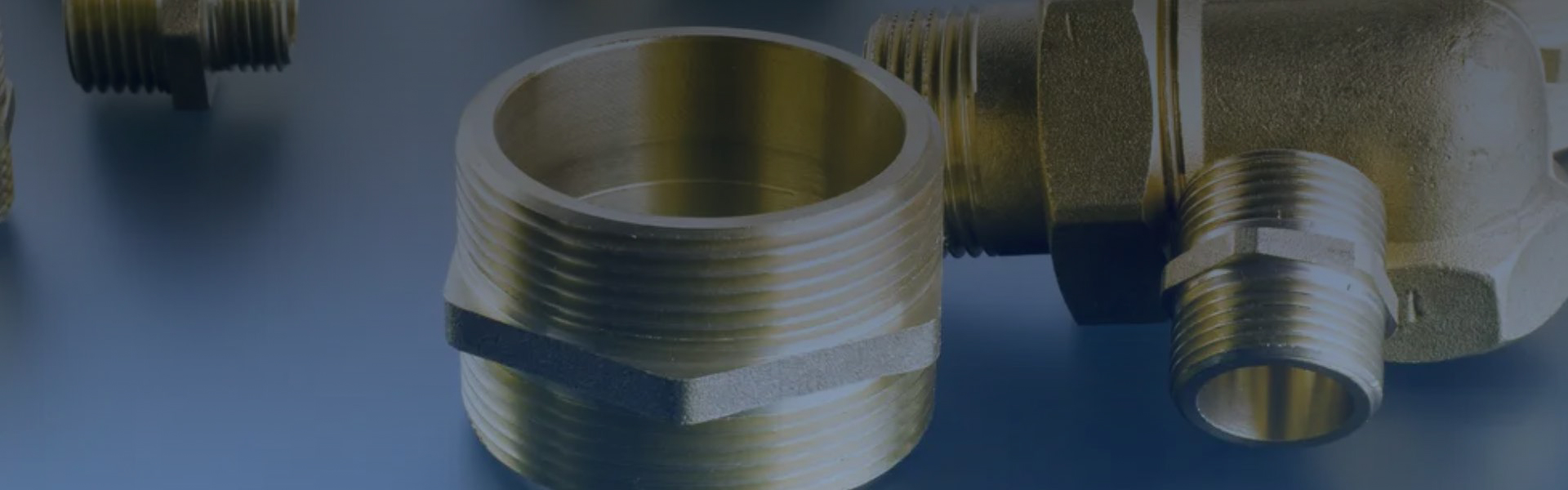
You face a real choice between TOPAQUA and traditional brass fittings. TOPAQUA wins on corrosion resistance, upfront cost, and installation speed. Traditional brass wins on mechanical strength and high-temperature tolerance. Your water quality, application, and budget determine the best brass fitting alternative for your project — not brand loyalty.
TOPAQUA fittings resist corrosion completely and save money on installation and maintenance.
Brass fittings handle higher temperatures and pressures and work well in tough conditions.
Test your water quality and check your budget to choose the right fitting for your project.
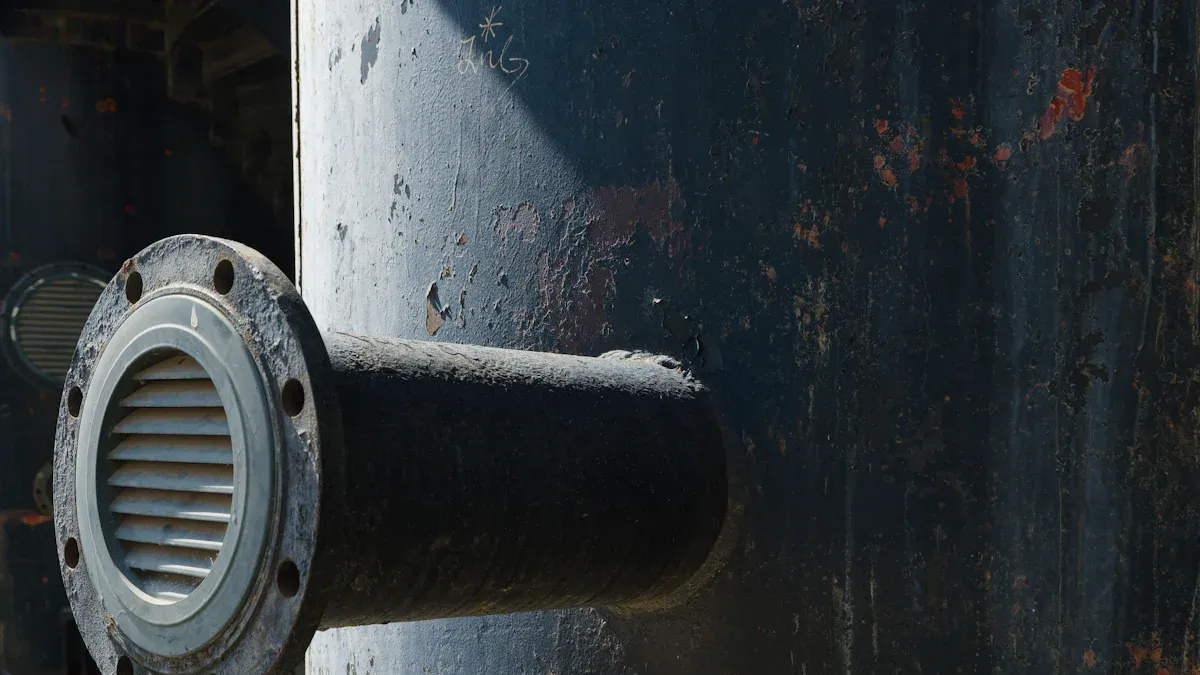
You need to understand what each fitting is made of before you compare performance. The base materials drive every other difference between these two systems.
TOPAQUA fittings use a three-part construction. Each material plays a specific role in the assembly.
|
Material |
Chemical name / Composition detail |
Role in fitting |
|---|---|---|
|
PPSU |
Polyphenylsulfone; non-crystalline molecular structure; lead-free |
Main body/shell that carries the pipe |
|
Stainless steel |
(Composition not specified) |
Reinforcing sleeve transferring pressing force to the body |
|
EPDM |
Ethylene propylene diene monomer rubber |
Three O-rings forming pressure barriers around the pipe |
The PPSU body gives TOPAQUA PPSU fittings their core advantage. This polymer has a non-crystalline molecular structure. Water and dissolved minerals cannot travel through the material along grain boundaries. The lead-free composition also meets modern potable water standards without extra treatment. A stainless steel sleeve sits inside the fitting. This sleeve transfers pressing force to the body during installation. Three EPDM O-rings create the pressure barriers around the pipe. EPDM resists degradation from chlorine, chloramine, and many common water treatment chemicals. You get a fitting with no metal-to-water contact in the flow path.
Brass is a copper-zinc alloy. Plumbing suppliers use several brass grades, and each grade behaves differently in water service.
|
Alloy |
Composition / Key Feature |
Corrosion Resistance & Properties |
Typical Plumbing Use |
|---|---|---|---|
|
Alpha-Beta Brass |
~37–45% zinc, two-phase structure |
Good mechanical strength with acceptable machinability/formability; general brass corrosion resistance |
Valves, plumbing fittings, industrial hardware |
|
Naval Brass |
Copper-zinc with small tin addition |
Tin improves corrosion resistance, especially in marine/seawater environments |
Marine hardware, seawater-handling systems |
|
C360 Free Machining Brass |
Small lead addition |
Good machinability; general brass corrosion resistance |
Precision-machined fittings |
|
General Brass |
Copper-zinc |
Good resistance to water, air, and mild industrial chemicals; some alloys resist dezincification |
Plumbing systems, fluid-handling components |
Brass offers good resistance to water, air, and mild industrial chemicals. Some alloys resist dezincification, a process where zinc leaches out of the alloy and leaves a porous copper sponge behind. Naval brass adds tin to improve performance in seawater. C360 free machining brass contains a small lead addition for better machinability. Leaded grades like C84400 and C83600 were common in plumbing for decades. Lead-free grades like C898833 now replace them in potable water systems. Brass remains a proven material with a long service history.
The corrosion battle depends on your water chemistry. TOPAQUA wins in aggressive water conditions. Brass wins in nothing related to corrosion — it simply holds its own in benign water.
PPSU does not corrode. The polymer has no metal ions to lose. Chlorides, low pH, and dissolved solids cannot attack the fitting body. You get the same performance in soft water and hard water. The EPDM O-rings resist chlorine and chloramine degradation. This combination makes TOPAQUA a reliable brass fitting alternative for challenging water supplies.
Brass faces several corrosion mechanisms. Dezincification attacks the zinc phase in the alloy. High chloride levels accelerate this process. Soft, low-pH water leaches copper from the alloy over time. Ammonia and certain bacteria cause stress corrosion cracking in some brass grades. Leaded brasses add another concern. Lead can leach into drinking water, and regulators now restrict these alloys in potable systems.
Your water quality decides the winner. Water with high chloride, low pH, or aggressive treatment chemicals favors TOPAQUA. Clean, neutral water with moderate hardness lets brass perform well for decades. Test your water before you choose. A simple water report tells you which material suits your site.
You must match every fitting to the actual operating conditions of your system. Temperature and pressure ratings define the safe working envelope for each material.
TOPAQUA PPSU fittings carry clear, published ratings for plumbing service.
|
Property |
TOPAQUA PPSU Fittings |
|---|---|
|
Maximum working temperature |
95°C |
|
Maximum working pressure |
PN20 (150 psi) |
These ratings cover the demands of domestic hot water, cold water, and most building supply lines. You get a consistent performance envelope across the full TOPAQUA range.
Brass fittings tolerate higher temperatures and, in some grades, higher pressures. The exact limit depends on the alloy and the rating class.
|
Parameter |
Value |
|---|---|
|
Working pressure (general) |
150–300 psi (10–20 bar) |
|
Working pressure (residential plumbing) |
up to 200 psi |
|
Standard temperature range |
-65°F to 250°F (-54°C to 121°C) |
|
Extended high-temp (specialty alloys) |
up to 300°F (149°C) or more |
Brass loses pressure capacity as temperature rises. A fitting rated at 300 psi at 70°F (21°C) drops to 150–200 psi at 200°F (93°C). Steam service follows separate class ratings, and derating factors fall sharply above 200°F (93°C).
Brass wins the extreme-condition contest. Steam lines, industrial process piping, and high-heat applications demand the higher ceiling that brass alloys provide. TOPAQUA covers the standard plumbing range with margin to spare. Your system conditions decide the choice. Standard potable and hydronic systems fit comfortably within TOPAQUA ratings. Steam, process heat, or high-pressure industrial lines call for brass.
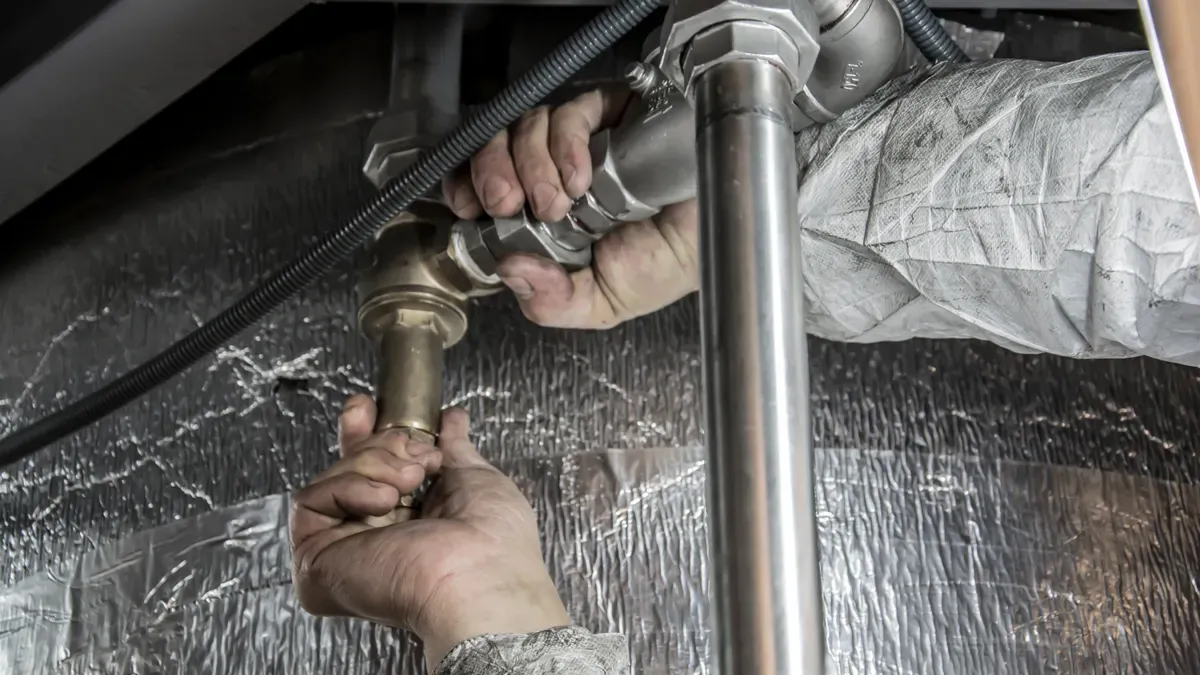
TOPAQUA fittings install fast. You press each connection with a compact pressing tool. A single press takes a few seconds. A full joint is complete in under a minute. You need only the pressing tool, a pipe cutter, and a deburring tool. No flame, no solder, and no flux enter the job site.
Brass fittings demand more steps. You cut and clean the pipe, apply flux, heat the joint with a torch, feed solder, and wait for the joint to cool. Each soldered connection takes several minutes. You also need a torch, fuel, solder, flux, and fire safety equipment.
|
Task |
TOPAQUA |
Traditional Brass |
|---|---|---|
|
Joint method |
Mechanical press |
Soldering or threading |
|
Time per joint |
Seconds |
Several minutes |
|
Hot work permit |
Not required |
Often required |
TOPAQUA polymer fittings weigh far less than brass. You carry more fittings per trip and feel less fatigue during long installs. The light weight also reduces strain on overhead pipe runs. Brass fittings add noticeable weight to every connection. You handle heavier boxes and support more load on hangers.
TOPAQUA removes the flame from the equation. You cannot overheat a press joint. The pressing tool delivers consistent force every time. The three EPDM O-rings seal the connection, and a visual press mark confirms a completed joint. Brass soldering depends on operator skill. Too much heat, too little solder, or a dirty surface creates a hidden leak. Threaded brass joints need precise torque and sealant. TOPAQUA gives you a repeatable, verifiable connection with lower leak risk.
TOPAQUA fittings cost less per unit than brass. The polymer body and stainless steel sleeve use less expensive raw materials. You pay less for the same number of connections. Brass carries higher material costs. Copper and zinc prices fluctuate on global markets, and lead-free brass grades cost more than standard alloys. Your initial invoice favors TOPAQUA on every project.
TOPAQUA needs almost no maintenance. The PPSU body resists scale buildup and corrosion. You avoid the repair calls that come with degraded brass. Brass fittings demand attention in aggressive water. Dezincification and lead leaching force premature replacements. Each replacement adds labor, material, and downtime costs. TOPAQUA removes those recurring expenses from your budget.
Both systems last decades in the right conditions. TOPAQUA holds its performance in corrosive water for its full service life. Brass matches that lifespan in clean, neutral water. Total cost of ownership combines purchase price, installation labor, maintenance, and replacement. TOPAQUA wins this calculation in most potable water systems. The lower upfront price and minimal maintenance add up over twenty years. Brass remains a strong brass fitting alternative for high-heat lines. Your water quality and application decide which system delivers the better long-term value.
You now have the performance data. The next step is a clear-eyed look at where each system wins. TOPAQUA earns its place as a serious brass fitting alternative in most modern plumbing projects. Brass still holds real advantages in specific niches. This section gives you the full picture.
TOPAQUA delivers its strongest advantages in corrosion resistance, long-term value, and installation efficiency. These three areas matter most in residential and light commercial water systems.
The corrosion advantage stands alone. PPSU has no metal in its flow path. The material cannot rust, scale, or leach ions into your water. Brass faces dezincification in acidic or high-chlorine water. That process weakens the fitting from the inside out. You cannot see the damage until a leak appears.
|
Attribute |
PPSU (TOPAQUA material) |
Brass |
|---|---|---|
|
Corrosion Resistance |
Complete immunity to corrosion, rust, and scaling |
Susceptible to dezincification in acidic or high-chlorine water |
|
Long-Term Value |
50+ years of maintenance-free service in standard conditions |
Matches PPSU lifespan only with favorable water chemistry |
|
Best Use Case |
Residential wall cavities, crawl spaces, hard water regions |
Underground PEX B, boiler connections, high-impact areas |
The long-term value story follows directly from corrosion performance. TOPAQUA gives you 50+ years of maintenance-free service in standard conditions. Brass matches that lifespan only when your water chemistry stays favorable. You cannot control municipal water quality over a fifty-year span. TOPAQUA removes that variable from your risk equation.
Safety certifications strengthen the case. TOPAQUA holds NSF/ANSI 61, KTW, and WRAS listings. These certifications confirm the material releases no harmful substances into potable water.
Unlike brass, PPSU is corrosion-proof, eliminating issues like rust or metal ion leaching. It is globally certified by NSF/ANSI 61, KTW, and WRAS, guaranteeing no harmful substances are released, making it safe for potable water systems.
Installation speed adds another win. You press a TOPAQUA joint in seconds. A soldered brass joint takes minutes and demands a hot work permit on many job sites. The labor savings compound across a full building. Your crew finishes faster and moves to the next project sooner.
Weight and handling favor TOPAQUA as well. Polymer fittings weigh a fraction of their brass counterparts. You carry more units per trip and feel less fatigue at the end of a long day. Overhead runs need fewer hangers and less structural support.
Brass keeps a firm grip on high-demand applications. You should choose brass without hesitation in several specific scenarios.
Mechanical strength tops the list. Brass fittings tolerate physical abuse that would crack a polymer body. Heavy impact, vibration, and rough handling on industrial sites favor brass. Underground installations with shifting soil also benefit from brass's rigidity. TOPAQUA performs well in wall cavities and crawl spaces. Direct-burial PEX B connections and high-impact areas remain brass territory.
High-temperature service gives brass its clearest advantage. Brass handles temperatures up to 250°F (121°C) in standard grades and beyond 300°F (149°C) in specialty alloys. TOPAQUA PPSU fittings carry a 95°C maximum. Boiler connections, steam lines, and process heat applications need the higher ceiling. You cannot stretch TOPAQUA into those conditions.
Pressure capacity also favors brass in demanding systems. General brass fittings rate at 150–300 psi. Residential plumbing brass reaches 200 psi. TOPAQUA holds PN20 (150 psi) across its range. Standard potable and hydronic systems fit comfortably inside that envelope. High-pressure industrial lines do not.
Fire resistance matters in certain occupancies. Brass survives a building fire without melting or decomposing. Polymer fittings soften at high heat. Code officials sometimes require metal fittings in fire-rated assemblies. Check your local code before you specify TOPAQUA in those locations.
Brass also wins on market familiarity. Every plumber knows how to solder a brass joint. The skills, tools, and supply chains are universal. TOPAQUA pressing tools require a modest learning curve and a capital investment. Your crew adapts quickly, but the first project carries a training cost.
The verdict is not a tie. TOPAQUA wins the majority of potable water applications. Brass wins the extreme-condition niche. You now have the framework to decide which brass fitting alternative suits your next job.
Your water report is the first document you should pull. High chloride levels, low pH, and aggressive treatment chemicals push you toward TOPAQUA. The PPSU body has no metal ions to lose, so dezincification cannot start. Clean, neutral water with moderate hardness lets brass serve reliably for decades. Test before you specify. A five-dollar water analysis prevents a five-figure repipe.
Application type narrows your choice further. The table below maps common contexts to recommended materials.
|
Application Context |
Recommended Fitting Material |
|---|---|
|
Commercial jobs / hot water distribution |
Brass (corrosion-resistant, long-lasting) |
|
Drainage and low-pressure systems |
PVC (lightweight, easy to use) |
|
Both residential and commercial |
Copper (durable, proven track record) |
|
Industrial and high-pressure systems |
Stainless steel (chemical- and corrosion-resistant) |
Residential potable lines fit comfortably inside TOPAQUA ratings. Commercial hot water distribution and industrial high-pressure systems still favor metal. Match the material to the duty, not to habit.
Cost predictability separates the two systems as much as price does.
|
Budget Consideration |
TOPAQUA (PPSU) Fittings |
Brass/Copper Fittings |
|---|---|---|
|
Raw material price behavior |
Consistently stable |
Highly volatile; mills repriced three times in a single day (Jan 29), each hike steeper |
|
Cost predictability |
High — supports reliable project planning |
Low — soaring, unpredictable costs disrupt budgets and planning |
|
Budget impact |
Cost-effective choice; protects against raw material inflation |
Feasibility and cost of projects dictated by volatile copper markets |
|
Long-term financial reliability |
Strategic move toward budget control and long-term reliability |
Price uncertainty undermines long-term budgeting |
Stable pricing makes TOPAQUA a dependable brass fitting alternative for fixed-bid work. Volatile copper markets punish tight budgets. Lock your material costs early.
Choose TOPAQUA for corrosion-prone water, tight budgets, and fast installs. Choose brass for high-heat, high-pressure, or heavy-duty applications. Polymer wins on longevity in aggressive water; brass wins on raw strength. Test your water quality, define your application, and set your budget. That framework points you to the right brass fitting alternative every time.
Yes. TOPAQUA PPSU fittings contain no metal in the flow path. You get complete immunity to rust, dezincification, and scaling. Brass degrades in aggressive water over time.
TOPAQUA PPSU fittings rate up to 95°C (203°F). You can use them in domestic hot water and standard plumbing systems. Steam and process heat applications require brass.
Yes. TOPAQUA fittings carry a lower upfront price. Stable polymer pricing protects your budget from copper market swings. You also save on installation labor and long-term maintenance.


Follow Us
Copyright © 2026 TOP AQUA FLOW CONTROL CO., LTD All Rights Reserved.
 Network Supported
Blog Sitemap Xml Privacy Policy
Leave A Message
Scan to Wechat :


 EN
 ES